
Natural things you can do to support your blood vessels and clotting system
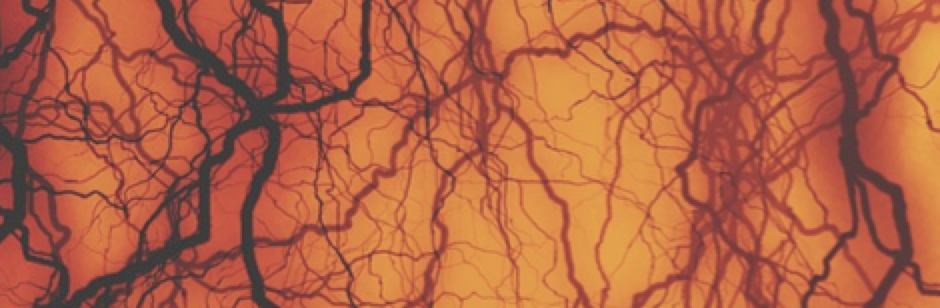
While it’s been long established that an infection such as flu or pneumonia can increase the risk of a fatal blood clot in the days and weeks after infection in the vulnerable few, SARS-CoV2 appears to have a greater tendency to induce cardiovascular problems – including vascular inflammation, myocarditis, and blood clots.(1)
One of my favourite medical bloggers, Dr. Malcolm Kendrick, who has a particular interest in cardiovascular disease, explains how clotting effects seen in some infected or vaccinated people is mediated by the virus’s spike protein through its interaction with ACE2 receptors and the consequent interaction of the immune system.(2) The point he’s getting to is that the presence of the spike protein is the trigger to these thrombotic events and this may have greater downstream health consequences than we realise.
Given that all this spike protein around, it occurs to me that we should all be looking at natural ways to keep our blood vessels as healthy as possible. Obviously, healthy means that the clotting system is balanced – after all, we do need it. (Its role is to help to heal us after an internal or superficial injury. And it also has a role in infection to help limit spread.)
Foods and supplements
Here are a few foods and supplements that help support the health of the vascular system, have anti-inflammatory properties and are gentle ‘blood thinners’.
- Vitamin C: Vitamin C protects the endothelial cells lining blood vessels helping them to maintain their integrity during inflammation. Through its action on Lp(a) is helps ensure that the breakdown of clots is efficient when they’ve served their purpose.
- Turmeric: The active ingredient in turmeric is curcumin and has anticoagulent properties. As a spice is is best taken with some fat and taking it with black pepper can also help its bioavailability.
- Ginger: This root has a host of health-giving properties that affect the blood vessels. While there is mixed data with regard to anticoagulant effects, it appears to have powerful anti-inflammatory and antidiabetic effects which indirectly can help keep the vessels healthy.
- Garlic: Long-known for its anticoagulant properties, these may be mediated through a number of different substances, including N-acetyl-S-allycysteine and allicin. You might be interested to know that crushing garlic stimulates an enzymatic reaction to create allicin from two precursor substances. Allow your garlic to sit crushed for 10 mins before adding to your food, raw or cooked, for maximum benefit.
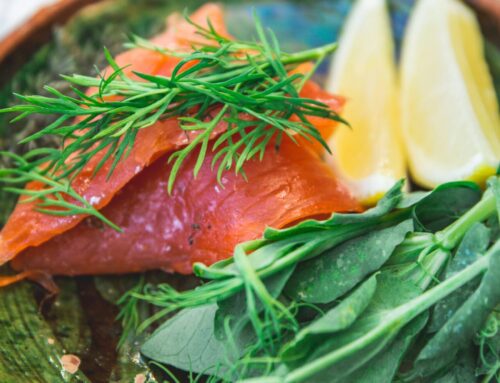
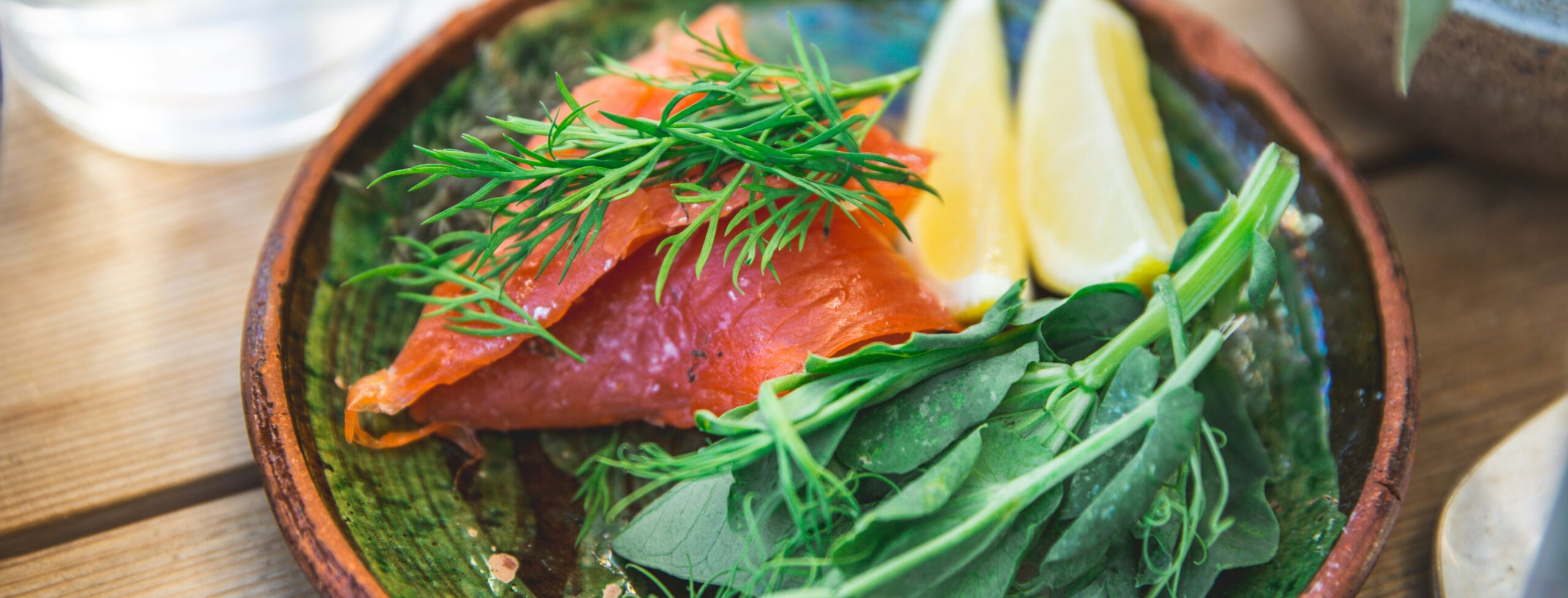
- Oily fish: Oily fish are a good source of omega-3 fatty acids which are good for the cardiovascular system in a number of ways, including via their effects on platelets.
- Vitamin E: This fat-soluble vitamin appears to have dose-dependent anticoagulant properties in studies. Good sources of Vitamin E can be found in nuts, seeds, oily fish, meat and leafy greens.
As usual, everything points to a good diet based on real food. Keeping your dietary antioxidant levels high with lots of veg and some fruit, and going easy on carbohydrates will also benefit your blood vessels. Be especially wary of refined carbs, as they spike your blood sugar and stimulate the release of greater amounts of insulin. High blood glucose and increased insulin levels directly affect the stickiness of the blood, causing both an increased tendency to clot and a decreased breakdown of clots. Also remember to keep hydrated, as dehydration can increase the risk of clotting.
Stress and blood clots
Did you know that stress – both in terms of acute fear and chronic anxiety or depression – can have a profound effect on blood clotting? The stress response makes our blood more sticky, by both increasing the coagulation of the blood and decreasing its tendency to dissolve clots. This is why chronic psychosocial stress is associated with increased risk of coronary artery disease and atherosclerosis. If you make no other changes, you would be doing your cardiovascular system a great favour by looking after your stress levels and learning to relax. Breathing exercises, mindfulness and meditation can have huge benefits, as can having a laugh with your friends or walking in nature.
A last thought: If you are on blood-thinning medications, please take medical advice before adding any supplements or making significant changes to your diet.
References
- Khan MS, Shahid I, Anker SD, Solomon SD, Vardeny O, Michos ED, et al. Cardiovascular implications of COVID-19 versus influenza infection: a review. BMC Med. 2020 Dec 18;18(1):403.
- COVID19 and CVD – Bridging the gap | Dr. Malcolm Kendrick. [cited 2021 Nov 23]. Available from: https://drmalcolmkendrick.org/2021/09/16/covid19-and-cvd-bridging-the-gap/
Further Reading
Stanger MJ, Thompson LA, Young AJ, Lieberman HR. Anticoagulant activity of select dietary supplements. Nutr Rev. 2012;70(2):107–17.
Tsoupras A, Lordan R, Zabetakis I. Thrombosis and COVID-19: The Potential Role of Nutrition. Front Nutr. 2020;7:177.