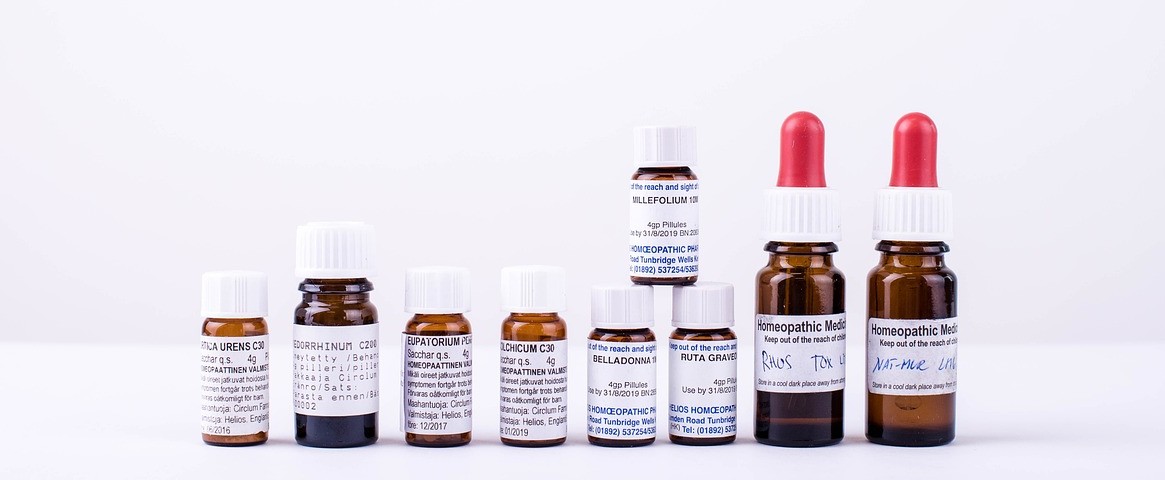


Leading homeopathic remedies
We all know the situation when a small wound is either threatening to get infected (and may be starting to be sore, red and warm) or has become infected, when it also forms a ‘head’ or may be oozing some sticky fluid or pus. Whether it’s an inflamed hangnail, a skin abscess, a large spot or boil that’s not resolving or an infected blister from wearing the wrong shoes, here are the leading remedies for this sort of issue and how to choose the one that will help you.
It’s important to address infections early, but by keeping the wound clean and with prompt homeopathic treatment, it is usually possible to avoid the need for medical intervention. The remedies below are the most commonly indicated, but there are others that might be more appropriate for ulcers, slow-to-heal wounds, carbuncles or recurrent boils, etc. so consult a homeopath for a more complex situation.
Of course, even superficial infections can spread to the surrounding tissue (e.g. cellulitis) or to the blood (sepsis) so if you are failing to get on top of it, the inflammation spreads or the discharge gets worse, or you feel unwell with it, including with a fever or chills, do not hesitate to seek medical help.
Threatening infection:
Belladonna: This is a great remedy for a nascent infection that is warm, red, painful and throbbing but there’s no sign of pus, either under the surface or discharging. This is the remedy for that early stage. The key sensation that indicates Belladonna is throbbing.
Apis: This can be useful for an early-stage infection, again before any pus formation, where there is some swelling of the tissues, often pink or red skin, the area feels better for cold applications, and pains that are stinging or sharp.
Merc sol.: For threating abscess in the early stages, especially if the patient has offensive perspiration, or discharges, and is intolerant of both heat and cold.
If pus has formed:
Hepar sulph: For when pus has formed or has nearly formed; the wound or abscess is tender to the slightest touch, causing a sharp splinter-like pains. The discharge may be blood streaked and may smell of old cheese. This is one of the main remedies for suppurating wounds and often helps to rapidly resorb or expel the discharge. Often followed well by Silica.
Silica: For slow forming abscesses or localized infections which are tender and red but does do want to come to a head or take a long time to resolve. Silica has a reputation for hastening this process and generally can help in getting rid of foreign bodies and particles from the body, so is helpful if you have a splinter for example. CAUTION: Due to Silica’s reputation for clearing foreign matter to the surface, it is best to avoid this remedy where there embedded material in the body that is best left where it is (such as shrapnel that been embedded for many years).*
Calc sulph: Once the pus finds a vent and the discharge is very thick, yellow, lumpy or bloody, then this remedy is indicated. There may be yellow-ish crusting or scabs.
Gunpowder: A general remedy for infected wounds, abscesses, boils, etc. If you have no clear indications or the indicated remedies fail to heal, try Gunpowder. Its reputation is as a blood cleanser helping to clear infection and toxins.
For both prevention and treatment (especially where the infection is a result of a wound/injury):
Calendula: Not only for cuts and lacerated wounds but also wounds that are suppurating, raw and inflamed, with red surrounding tissue. Our preeminent wound-healing remedy – it not only helps cuts to heal but also helps reduce pain, clear pus and debris, and knit tissue together with minimal scar formation.
Arnica: Arnica also has the reputation of helping prevent infection at trauma sites and can also address sore or painful boils or pimples, and areas that are painfully red, hard and swollen. If you have no other remedy to hand, it is worth taking even if you have little or no bruising or pain. CAUTION: Do NOT use topical Arnica on broken skin, e.g. in the form of cream or gel as it can cause irritation and blistering. Homeopathic Arnica, taken internally, is what is required.
TOPICALLY
Keeping the wound clean is, of course, key — regardless of what other topical treatment you apply, if any. Cooled boiled water or a dilute saline solution is ideal. Topical treatment of an infected wound can be helpful, but if there is already some discharge or pus formed, it it is often not enough alone. It is essential to combine topical treament with the correct remedies internally in order, to reach the deeper tissues.
Avoid harsh disinfectants such as hydrogen peroxide, iodine and surgical spirit/rubbing alcohol, as they can damage the tissues and may delay healing. Whether you choose to cover the wound depends on the size, nature and postion of the wound.
Warm compress to help an abscess, pustule or boil to come to a head and drain: In these circumstances, dip a clean soft cloth in warm water and place it on the abscess and skin around it. Applying warm or hot compresses can help drain your abscess and reduce pain. Apply the compress several times a day.
These are the topical treatments I’d recommend (not all at the same time — it’s either/or):
Calendula and Hypericum: The classic herb for healing skin wounds is Calendula (pot marigold). A dilute solution of Calendula tincture and cooled bloiled water is highly effective in cleansing and starting the healing process, as it has antiseptic, wound healing and antioxidant properties. Adding Hypericum (St. John’s Wort) tincture to the Caledula dilution or on its own in dilution can also be effective, as Hypericum has wound healing and antimicrobial properties of its own. It’s also a helpful analgesic as it has an affinity for the nerves. These herbs can also be used in cream or ointment form as Calendula cream or Hypercal (containing both). Helios, Weleda, Nelsons and Ainsworths usually carry a range of products that are ideal for home use. Tinctures can be bought from herbal suppliers, but it’s essential to dilute these for skin use.
Lavender oil: While Lavender oil is the only essential oil that can be used neat on the skin, for open wounds I’d recommend a couple drops in some cool, boiled water. Be sure to use a high-quality, pure essential oil from a reputable supplier.
Aloe vera: Has wonderful skin healing benefits due to antiinflammatory, immunological, antimicrobial effects. It has a great reputation for burns, but other wounds also recover more quickly with Aloe’s help. Ideally use the Aloe gel straight from the plant, as it’s packed with good things but none of the synthetic ingredients that come with commerical ‘Aloe gel’.
* Some people caution against using Silica in individuals with medical impants of all kinds, but unless the body is already rejecting it and there’s infection around or related to that implant, Silica will not cause any issue.