
Useful remedies for bee and wasp stings
It’s been a lovely September and we’ve had some beautiful ‘Indian Summer’ days. It’s probably my favourite time of year. It’s good to see that we still have lots of bees in the garden and they are really enjoying the sedum and other late-flowering plants.
I recently got stung while I was picking up fallen apples in the garden. I didn’t see whether it was a bee or a wasp. I went inside and took some Apis 30c and took a couple of times within about 5 minutes. It didn’t do much. My so I tried some Ledum 30c, and I have to say, I had such a wonderful rapid response, I have new-found respect for this acute remedy-kit stalwart! So, I thought I’d spend a little time looking at the homeopathic remedies indicated for insect stings and bites, how to differentiate between them, and other self-help things you can do to in this situation.
REMEDIES
Apis
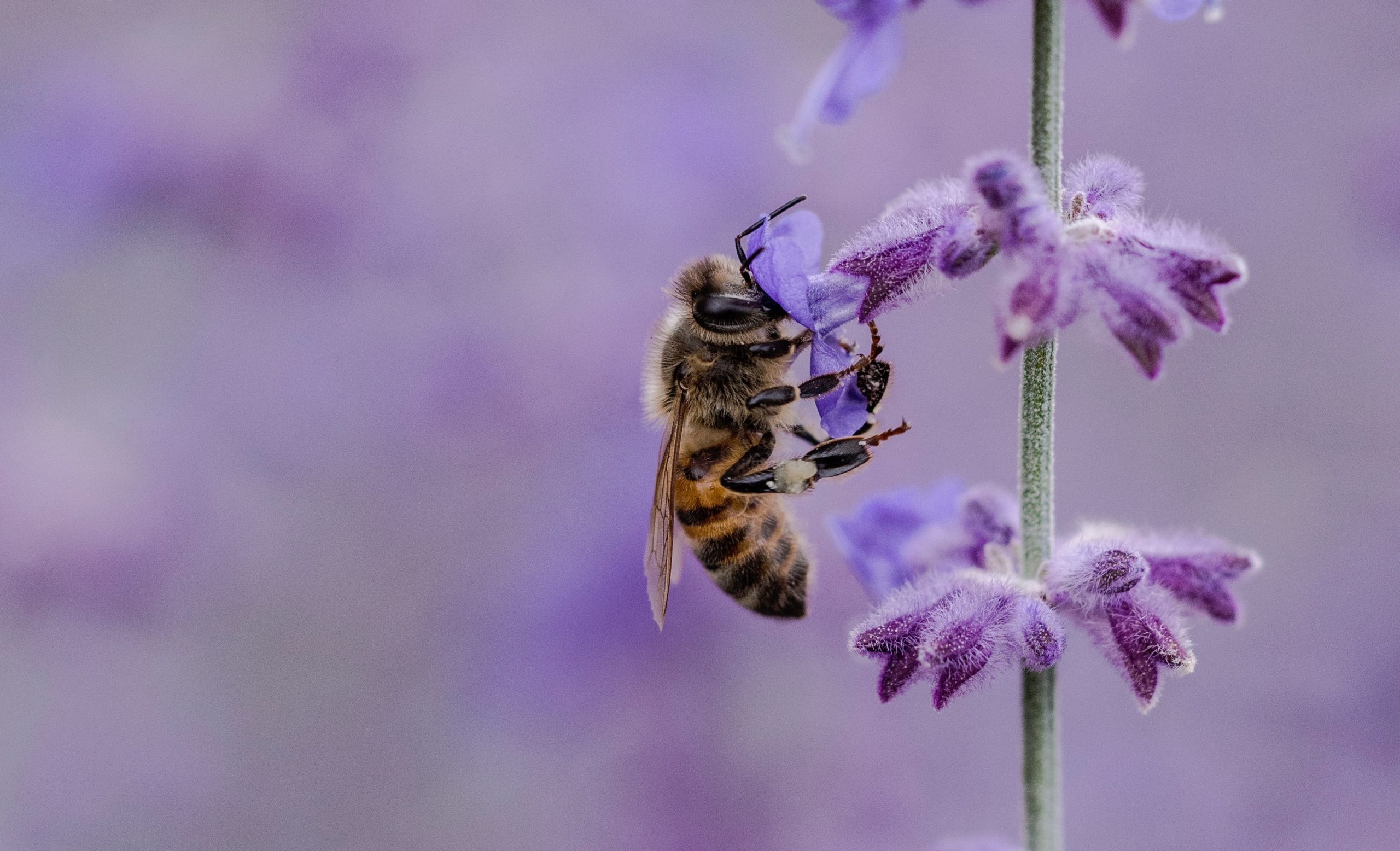
This remedy is made of the honey bee. The indications for this remedy are burning or stinging pains and rapidly developing red or rosy swelling, with the whole affected area feeling worse for heat and better for the application of something cool. Apis isn’t only indicated for bee stings – it’s useful for any insect bite or sting with these symptoms, as well as other causes of oedema with similar features.
Ledum
Ledum is the main other remedy to consider for insect bites and stings. The reactions that respond best to this remedy are usually less swollen than those that need Apis – I’d suggest the degree of swelling being the biggest indicator of which of these two remedies to try first. Again, the affected part will feel better for a cool application and worse for warmth. Interestingly, some bites/stings that respond to this remedy may feel cold or numb, but are still relieved by something cool on it. However, if the area feels warm, Ledum may still be the remedy needed. Sensations of a sting needing this remedy are typically pricking, biting or throbbing and the area may be sensitive to the touch. This is considered THE remedy for mosquito bites, and this remedy also helps many types of puncture wound, regardless of cause.
Urtica urens
Made of the stinging nettle, Urtica is a useful remedy to help resolve an itchy hives-type reaction that occasionally develops after some stings.
Other remedies
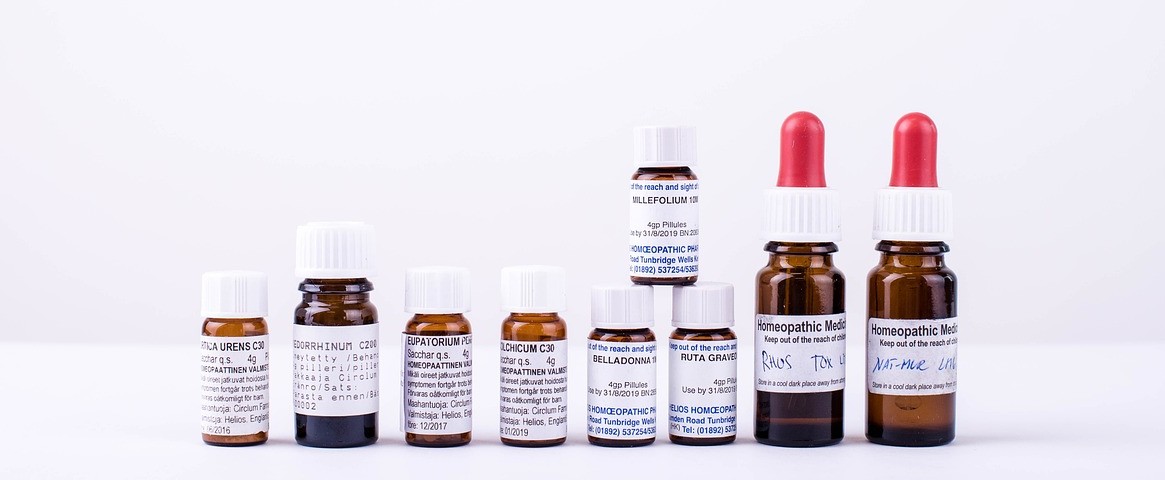
Other remedies that might be useful for insect bites and stings include Arnica for the shock of being stung and if you have no other remedies to hand, Cantharis if there is there is a marked sensation of burning, inflammation and redness if Apis does not help, Hypericum if there are nerve-type or shooting pains radiating from the site, and Staphisagria for large, irritating bites that leaves a person upset by the incident.
WHAT ELSE CAN YOU DO?
Remove the sting carefully with tweezers if it’s still present. Bathe a wasp sting with diluted vinegar or lemon juice to help neutralise the venom. For a bee sting, a solution of bicarbonate of soda helps do the same.
Topical application of a tincture can also be very soothing and may be all that is needed if you have any. Ledum tincture is considered ideal for both wasp and bee stings, and gnat bites respond well to Hypericum or Calendula.
WHEN TO SEEK HELP
If a person has been stung in the throat or the mouth, especially if there are signs of swelling, seek medical help and keep the area cool to help reduce swelling. If the patient is known to have a hypersensitivity to insect stings or has had an anaphylactic shock in the past, get immediate medical help – and give the highest potency of Apis you have, repeating frequently, in the meantime.