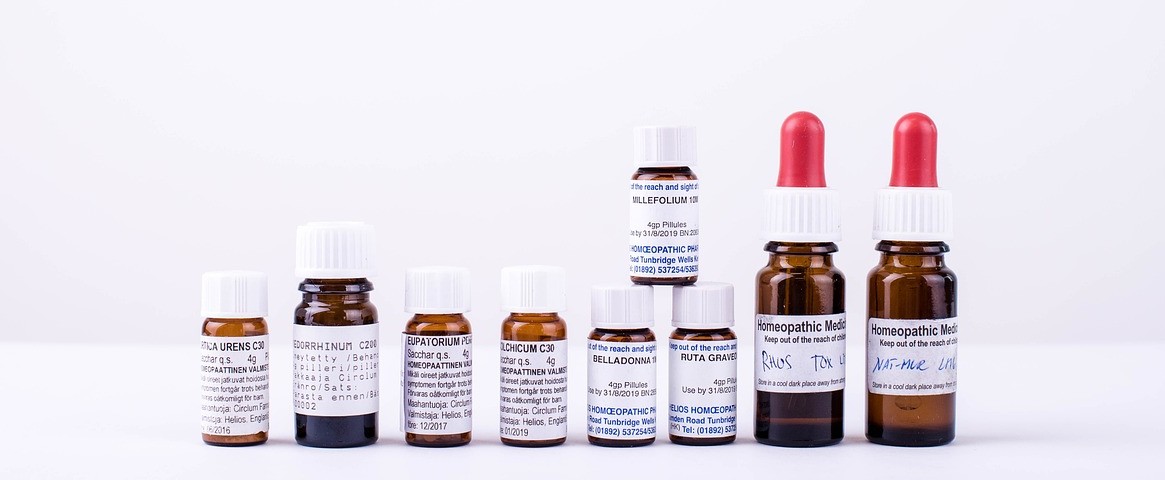


A homeopathic approach
A SEPIA STATE
I recently had a small stye on my right upper eyelid. It wasn’t really bothering me – in fact, I was barely aware of it, except when I looked in the mirror. It had no sensation, was not affecting my vision and was hardly visible once I’d put some make-up on. But it had been hanging around for 2 or 3 weeks, so I tried some Silica, which has the reputation of bringing localised infections like this to a head. This did nothing. Next I tried a couple of doses Staphisagria, a remedy I’ve used successfully in other people in the past. This had no effect.
TREATING THE WHOLE PERSON
A few days later I noticed that I was feeling in quite a severe Sepia state. I recognise this state well in myself and this remedy has helped me a lot since having children. My boys were both home from uni towards the end of this summer, and I was starting to feel a bit crowded out. I was aware that I wasn’t making time for myself or my priorities and was starting to feel resentful. It’s a typical Sepia feeling – this pull between the needs of the family and the needs of the self. On this particular day my stye was much bigger and redder. I took a dose of Sepia for my emotional state not even thinking about the stye. However, 2 days later, the stye had gone. I was also feeling much better in myself! I later checked out my repertory and sure enough, Sepia turns out to be one of the one of the remedies listed under styes and it’s in bold! This story illustrates the principle at the heart of homeopathy which is that homeopathy treats the person and not the illness. However, by treating the larger picture including the emotional state, often physical ailments tend to resolve rapidly.
Sepia doesn’t appear in the home-prescribing books as one of the main remedies indicated for styes but given that there are 38 remedies listed for styes in the repertory, it is important to be aware that it could be any of these that are needed (and this is where you might consult your homeopath). However, before you do, it’s worth trying one or two of the most frequently used remedies in this situation first, see below.
WHAT IS A STYE?
A stye is a blocked sebaceous gland at the margin of the eyelid that becomes infected and inflamed. These pesky eye problems are quite common but usually resolve after coming to a head, but in the meantime can be unsightly and may cause some local irritation or pain.
COMMON REMEDIES
Staphisagria
This is a very well used remedy for styes, including recurrent styes. Styes needing this remedy can be sensitive to the touch. It’s a remedy that’s often useful when there’s been some suppressed emotion, especially anger. If you have nothing else to go on, this is the remedy to try.
Pulsatilla
Consider this remedy for a stye that has a yellowish discharge, especially if the individual is feeling a little sorry for themselves and in need of reassurance and comfort. In the Pulsatilla state, people often feel better for fresh air or being outside.
Silica
This is the remedy for a stye that is slow to ripen or is not coming to a head, or sometimes for a stye that is discharging contents but failing to resolve, and this remedy may help it complete this process and heal.
Apis
Consider this remedy for a stye that appears red, shiny, and swollen, and feels much better for cool applications. There may be burning or stinging sensations.
Remember that there are many other remedies and some also help with the recurrence of styes or with the development of hard lumps that can appear after the stye has gone. So, consult a homeopath if you are struggling to find the right remedy.
WHAT ELSE SHOULD YOU DO?
You can apply a warm compress soaked in dilute Calendula, Hypercal or Euphrasia (eyebright) solution every few hours to help soothe any irritation and help the stye come to a head. The usual common sense measures apply – please seek medical advice if your vision is affected, if the swelling is on the inside of the eyelid or is particularly large and painful, or if the stye is not resolving after a week or two.