

Why do these changes happen?
The conventional medical explanation is that it is the low levels of oestrogen after menopause that cause these problems, and this is true as far as it goes. But if it were that simple, why don’t all women after a certain age experience these issues? Why do some women experience other menopausal symptoms but not these? Clearly there are other factors at work, including genetics and the individual constitution, lifestyle factors, stress and emotional issues.
The conventional approach
The medical approach is hormonal support with localized oestrogen – applied to the vaginal tissues via a ring, pessary, tablet, gel or cream. This can work very well and has fewer side effects than systemic HRT. However, if you’re wanting to get to the root cause or try natural approaches first, read on.
The holistic approach
Optimize your natural hormone balance
As much as the pharma industry would have you believe otherwise, women’s bodies are designed to flourish — yes, even during and after menopause. The hormonal balance that becomes established after menopause is naturally different to that that during the fertile years but is more than capable in keeping us healthy and feeling good with the right support and a bit of care.
There are however aspects of modern life that can tip it out of balance, and these include: stress and emotions, diet, environmental toxins and medications:
Is there an emotional element to your symptoms?
Stress impacts hugely on the hormonal system. At a physiological level, when we’re full of stress hormones and ready for ‘fight or flight’, the body prioritizes survival in the short term over long-term thriving, and includes de-prioritizing all the good things that our sex hormones do for us.
There can also be a mind-body relationship in the pelvic symptoms around menopause. This is a time in life where many women experience burnout, anxiety or mood issues. There can be griefs and losses at this time (children leaving home, older relatives dying), works stress and relationship difficulties — enough to sap anyone’s sense of fun and the ‘juiciness’ of life. The pelvic organs relate the sacral chakra, the energy centre that speaks to pleasure, intimacy, sex and creativity. What can you do to get out of survival mode and into a more joyous way of being? How can you spark more intimacy, fun and creative expression in all areas of your life?

Blood sugar, insulin and your liver
The changes to the hormones at menopause increase the risk of insulin resistance, abdominal obesity and type 2 diabetes. Now is the time to get on top of your diet. You can’t go wrong with a low-carb approach. Look after your liver at this time too. The liver breaks down the sex hormones prior to elimination, so having a well-functioning liver is part of the balancing act. A high-sugar or -carb diet, alcohol, smoking, toxins and medications all add to the liver’s burden. Reducing exposure to these factors will support the liver and help balance blood sugar. Exercise, including moderate-intensity and short-burst high-intensity exercise, can play a key role in managing blood sugar and insulin levels.
Look after your weight
Both being overweight or too thin can wreak havoc with your natural hormone balance. You see, fat is a hormonally active tissue. Fat tissue and the adrenal glands become our producers of post-menopausal oestrogen. The oestrogen produced after the menopause is different to those during the fertile years; it is weaker and there is less of it. But, in combination with androgens, if conditions allow, they can form a new hormonal balance that can serve us well physically and mentally. Being too thin deprives a woman of a key source of oestrogen. At the same time, being overweight or obese can cause oestrogen dominance, and although that can sound like a good thing post-menopausally, it’s the lack of hormonal balance that causes the problems.
Minimize exposure to hormone-disruptors
These days it’s very easy to unwittingly expose ourselves to ‘xenoestrogens’, chemicals that mimic natural oestrogen and disrupt the overall sex hormone balance. These chemicals can be found in toiletries, perfumes, cleaning products, fire retardants, insecticides, pesticides, processed foods and drugs. Can you make some changes to lessen your exposure? Try using natural cleaning products and toiletries that incorporate essential oils and avoid parabens and sulphates. Wash your fruit and veg, filter your water and buy organic where possible.
Maintain a healty microbiome
Having a preponderance of ‘good bacteria’ in our vaginal, vulval and even urethral tissues helps keep problematic species of bacteria and yeasts at bay. Many of the ‘good’ species here are of the genus Lactobacillus. They acidify the vaginal tissues through the production of lactic acid — the pH balance of a healthy vagina is around 4.5 (as acidic as tomato juice!!). They also produce hydrogen peroxide, which additionally has certain antimicrobial properties. The genitourinary flora appears to be affected by our hormone balance, both pre-and post-menopausally. It can be disrupted by a range of factors, including harsh or perfumed soaps/body washes, the use of lubricants and douches, a high-sugar diet, hygiene/tight or non-breathable clothing, sex, high stress levels and, of course, the use of antibiotics. It’s more important than ever to take care of this ‘ecosystem’ around and after the menopause. The best strategy is to allow Mother Nature to ‘do her thing’ and achieve that balance, by wearing natural, breathable fabrics and keeping to either just water for washing, or at most, natural non-perfumed soap. Ensure that your diet includes some fermented foods. Yogurt and kefir are easy ways to incorporate Lactobacillus species. What about eperimenting with some lacto-fermented veggies? In spite of all that, if you have been on antibiotics or feel that your microbiome needs extra help, taking a probiotic supplement especially for women for a month or two can be useful for some women.
Are your other hormones happy?
Our sex hormone balance is affected by our wider endocrine health, in particular the adrenals and the thyroid. Stress directly affects the adrenals, and anything you can do to support this aspect of your life is key. Midlife is often a time when low thyroid function occurs. See my article on Hypothyroid and the menopause for more infomation.
Homeopathy and other natural approaches
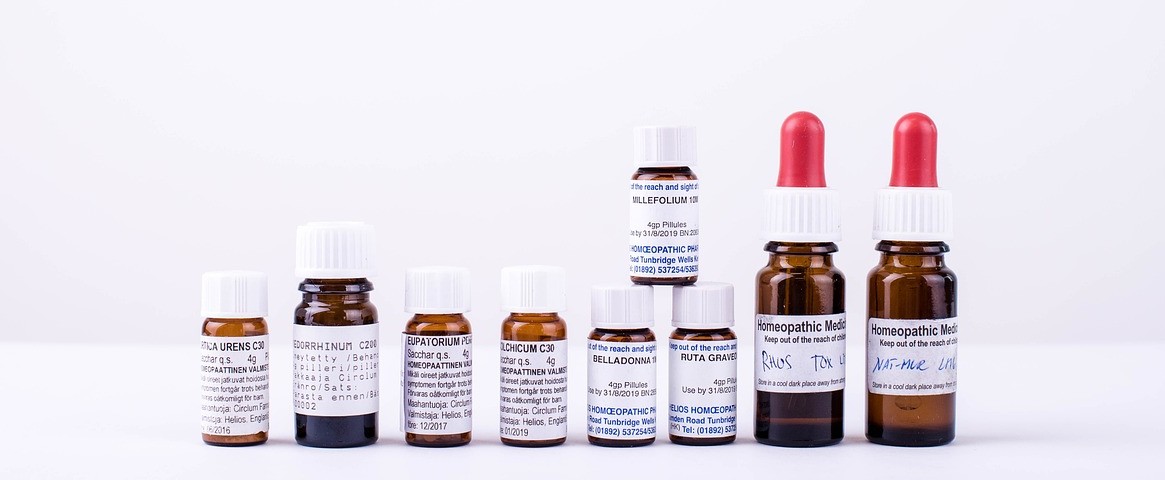
Genitourinary issues around and after menopause can be helped considerably by homeopathy, and also herbs and other nutritional supplements. In the next few articles I have set out the natural supportive measures a few leading remedies for: Vulvovaginal atrophy and dryness; UTIs and cystitis symptoms; and pelvic floor issues (irritable bladder, urge and stress incontinence). If you need more support, contact your homeopath for individualised treatment.