

Do the things that really work (or ‘It’s not the salt, it’s the sugar!’)
Why does it matter if my blood pressure’s high?
- it causes damage to blood vessels, increasing the risk for heart attacks and strokes, and damaging the kidneys
- it makes the heart muscle work harder, which can lead to heart failure
Defining high blood pressure
What’s the problem with just using anti-hypertensive drugs?
Key things to lower your blood pressure naturally:
- Don’t smoke
- Eat a low glycemic load (GL) diet – i.e reduce carbs (drop sugar and refined starches)
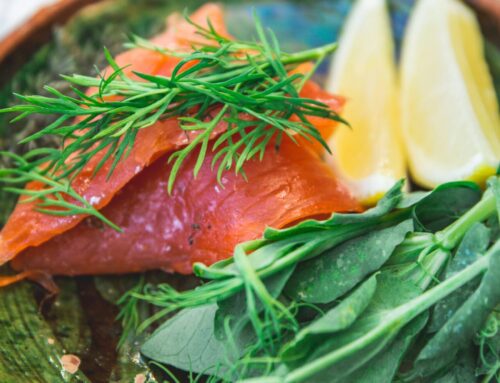
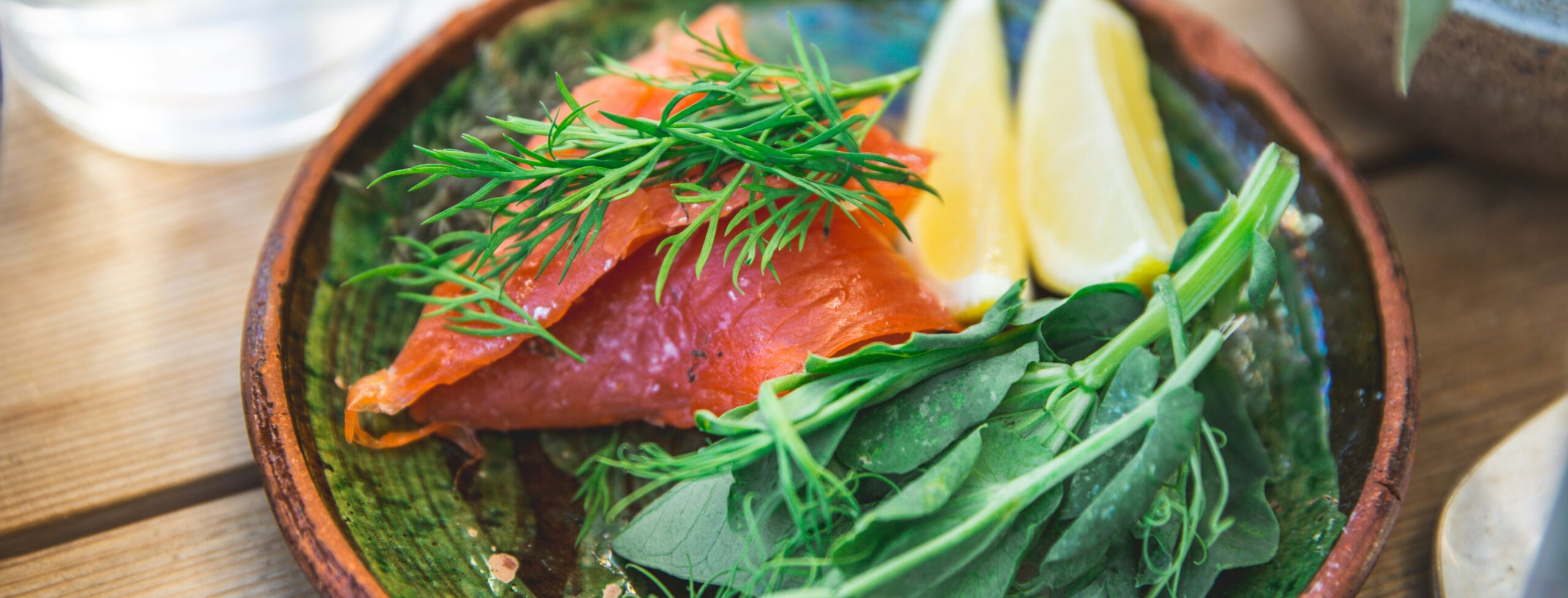
- Eat oily fish (for essential omegas) and eat plenty of fresh vegetables, including beetroot; also pumpkin seeds or chia seeds, and a little bit of dark chocolate
- Stay hydrated
- A small amount of alcohol, especially wine, is OK; but anything more than moderate intake is detrimental to blood pressure
- Get your stress levels under control, relaxation, mindfulness, meditation (this is a big one!!!)
- Get out in the sun: not only for vitamin D but also nitric oxide production
- Exercise for at least half an hour a day
- Have a daily shot of beetroot juice
- Key micronutrients: potassium, calcium, magnesium, vitamin D, vitamin C
- Consider supplements: omega 3, vitamin D3, vitamin C, magnesium, CoQ10 and a good all-round antioxidant complex
- Check your homocysteine level; if raised, lower it with specific high dose homocysteine-lowering nutrients (B vitamins – esp. folate (B9), vitamin B6, and vitamin B12); also N-acetyl cysteine or glutathione
- What about salt? Don’t overly restrict your salt intake, but do use good-quality natural salt in your cooking and reduce processed foods. It is the balance between sodium and potassium that is the most important thing — increase the potassium in your diet. Potassium relaxes the walls of the blood vessels, lowering blood pressure, while protecting against muscle cramps. I think using a mix of lo-salt and rock salt (NaCl) can work well.
If you only do four things:
- lower your carbs
- manage your stress
- enjoy some sunshine
- increase potassium & magnesium
A word about the DASH diet
The DASH diet (currently promoted by conventional medicine) emphasizes foods that are lower in sodium as well as foods that are rich in potassium, magnesium and calcium — nutrients that help lower blood pressure (this is solid advice). BUT it’s still a low fat/ high carb diet and that is BAD advice. What you need is a low-carb diet with high potassium and magnesium.
More info:
Dr. David Unwin ‘Are we blaming salt for what the sugar did? An old fashioned detective story’
https://sebastianrushworth.com/2020/08/13/how-bad-is-salt-for-your-health/
https://www.patrickholford.com/advice/how-to-lower-your-blood-pressure-aturally/
https://chriskresser.com/how-and-why-to-lower-your-blood-pressure-naturally/